
Early Glaucoma Symptoms: The Comprehensive Guide to Protecting Your Sight
Early glaucoma symptoms are often absent or difficult to notice, which is why this condition can place long-term sight at risk. Glaucoma involves progressive damage to the optic nerve, the nerve pathway that carries visual information from the retina to the brain. When this pathway is damaged, the resulting vision loss is usually permanent. At The Focal Point Optometrist, we focus on careful assessment, monitoring, and timely referral where needed, so subtle changes can be identified before they have a major impact on daily life.
Glaucoma is one of the leading causes of permanent blindness in Australia. Current estimates suggest that approximately 300,000 Australians are living with the condition, yet many people may be unaware they have it. The most common form, primary open-angle glaucoma, can develop gradually with no pain and no obvious change in central vision until significant optic nerve damage has occurred. This is why a comprehensive eye test is so important, especially for people with risk factors.
Key warning signs and symptoms to be aware of include:
- Patchy or missing areas in side vision
- Gradual narrowing of the field of vision, sometimes described as tunnel vision in advanced cases
- Blurred or hazy vision
- Difficulty seeing in low light
- Sore eyes or significant eye pain
- Headache around the eye or forehead
- Rainbow-coloured halos around lights
- Nausea or vomiting with eye pain
- Sudden vision loss
Symptoms that require urgent or emergency care include sudden vision loss, severe eye pain, a sudden severe headache around the eye or forehead, rainbow halos around lights, nausea or vomiting with eye pain, or a suddenly red, painful eye with blurred vision. These symptoms may indicate acute angle-closure glaucoma or another urgent eye condition. If they occur, seek emergency care promptly.
At The Focal Point Optometrist, we see how easily glaucoma can be missed when people rely only on how their vision feels. In this guide, we explain the warning signs of glaucoma, how different glaucoma types can present, who may be at higher risk, and why a comprehensive eye test remains one of the most useful steps for protecting long-term eye health.
Understanding Glaucoma: The Silent Thief of Sight
To understand why early glaucoma symptoms can be so difficult to detect, it helps to understand the basic mechanics of the eye. The eye constantly produces a clear internal fluid called aqueous humour. This is different from tears. It circulates through the front part of the eye, helps maintain the eye’s shape, and drains through a specialised tissue pathway.
In many glaucoma cases, fluid drainage becomes less efficient. This can contribute to higher intraocular pressure (IOP), which may place stress on the optic nerve. The optic nerve contains many delicate nerve fibres that carry visual signals to the brain. When these fibres are damaged, the brain may compensate for small missing areas of vision, meaning a person may not notice early changes. This is why glaucoma is often called the silent thief of sight.
It is also important to note that eye pressure is only one part of glaucoma assessment. Some people develop glaucoma even when their eye pressure is within the normal range, often described as normal-tension glaucoma. This means an eye test should not rely only on a pressure check. Your optometrist will assess the optic nerve, visual field, and other risk factors to decide whether monitoring or referral is appropriate.
Primary Open-Angle Glaucoma (POAG)
Primary open-angle glaucoma (POAG) is the most common form of glaucoma. In POAG, the drainage angle remains open, but fluid drainage through the eye’s drainage pathway becomes less efficient over time. Because this process is usually gradual, it often does not cause pain or obvious early glaucoma symptoms. Central vision may remain clear until later stages, while side vision is affected first. People may only become aware of changes once visual field loss is more advanced.
Acute Angle-Closure Glaucoma
Acute angle-closure glaucoma is different from POAG and should not be grouped with gradual open-angle symptoms. It occurs when the drainage angle becomes suddenly blocked, causing a rapid rise in eye pressure. This can cause sudden, severe symptoms such as eye pain, headache, halos around lights, nausea, vomiting, blurred vision, or sudden vision loss. This is an emergency. If these symptoms occur, seek urgent care through an emergency department or ophthalmologist.
Warning Signs and Early Glaucoma Symptoms
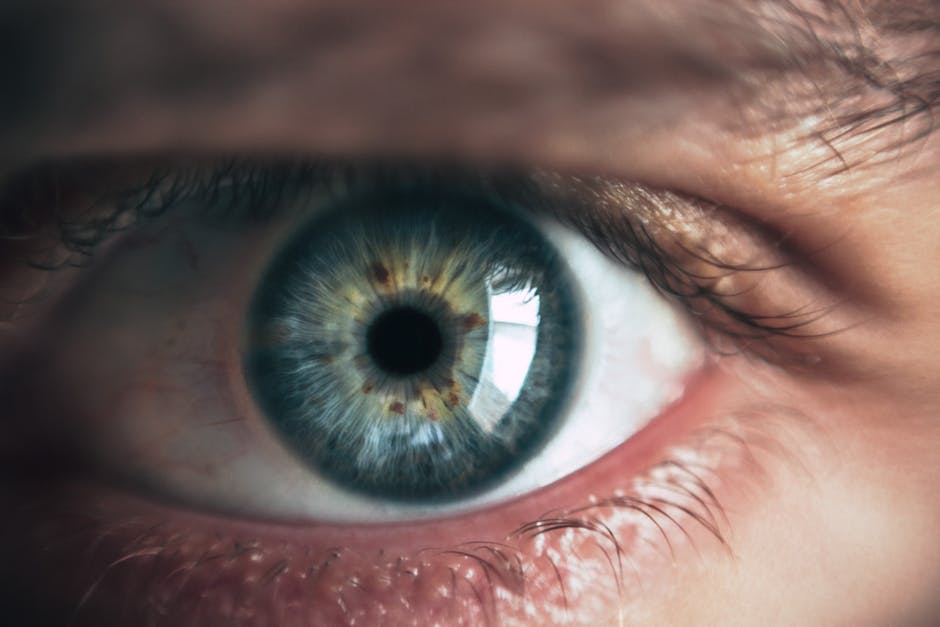
Gradual Symptoms Linked With Open-Angle Glaucoma
The earliest noticeable changes from open-angle glaucoma usually affect side (peripheral) vision. These changes can be subtle. A person may not notice them while reading, looking at faces, or using central vision for daily tasks. Instead, they may notice they miss objects at the edge of their vision, bump into things more often, or feel less confident navigating dim environments. At The Focal Point Optometrist, we use clinical testing to assess for these changes rather than relying only on symptoms.
Gradual symptoms and signs may include:
- Patchy or missing areas in side vision
- Difficulty noticing objects or movement at the edges of vision
- Gradual narrowing of the field of vision in more advanced disease
- Difficulty seeing in low light or reduced confidence in dim environments
- Blurred or hazy vision, particularly if vision changes are progressing
Urgent Symptoms Linked With Acute Angle-Closure Glaucoma
Acute angle-closure glaucoma is not the same pattern as POAG. It can produce sudden symptoms because pressure rises quickly. A sudden severe headache around the eye or forehead, significant eye pain, blurred vision, and nausea or vomiting can occur together. According to Glaucoma Australia, acute angle-closure glaucoma requires urgent treatment.
Urgent or emergency symptoms may include:
- Sudden vision loss or a sudden major change in vision
- Severe sore eyes or eye pain
- A sudden severe headache around the eye or forehead
- Rainbow-coloured halos around lights
- Nausea or vomiting with eye pain
- A suddenly red, painful eye with blurred or hazy vision
If these symptoms occur, do not wait for a routine appointment. Seek emergency care promptly, as urgent assessment and treatment may help reduce the risk of permanent vision loss.
Risk Factors: Are You at Higher Risk?
While anyone can develop glaucoma, certain factors can increase the likelihood of glaucoma or the need for closer monitoring. Understanding your risk profile is the first step in proactive glaucoma assessment. At The Focal Point Optometrist, we take a detailed history to understand your individual risk factors.
| Risk Factor | Why it Matters |
|---|---|
| Age | Risk increases with age, as the eye’s drainage system may become less efficient over time. |
| Family History | Having a close relative with glaucoma can increase your risk. |
| Ethnicity | Some population groups have a higher risk of particular glaucoma types. |
| Short-sightedness | Being highly short-sighted may place extra physical stress on the optic nerve due to the elongated shape of the eye. |
| Long-sightedness | People who are long-sighted may have crowded front chambers in the eye, which can increase the risk of angle-closure. |
| Medical History | Diabetes, high blood pressure, and cardiovascular disease may affect optic nerve health. |
| Steroid Use | Prolonged corticosteroid use may raise eye pressure in some people. |
| Eye Injury | Past trauma to the eye can affect drainage structures and may contribute to secondary glaucoma later. |
If you fall into any of these categories, we may recommend more frequent monitoring. At our Wembley practice, we take time to discuss your family history and medical background in detail. Our initial consultations are approximately one hour, supporting a thorough, attentive, and highly personalised approach to care.
Why Early Detection is Your Best Defence
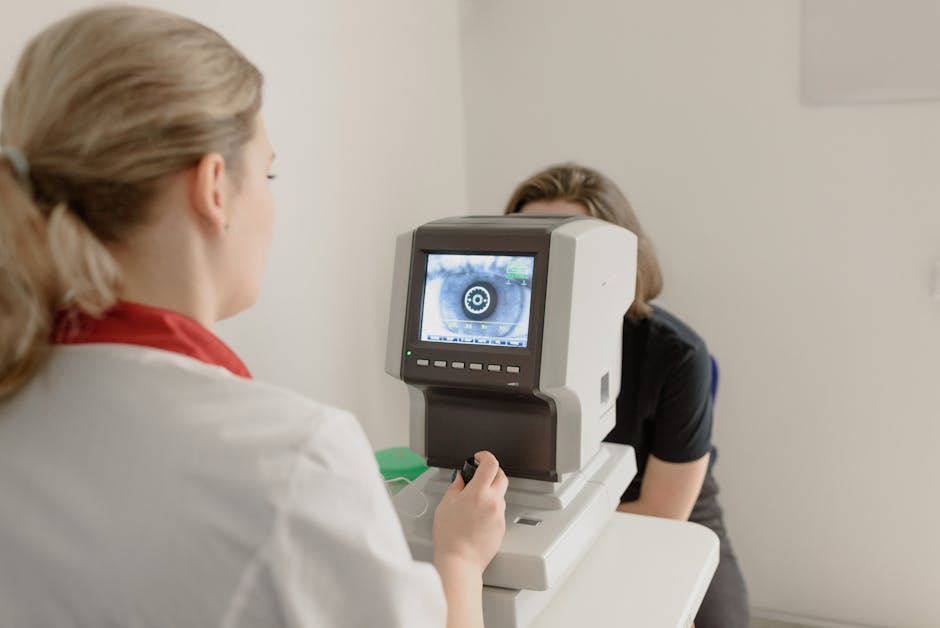
Because early glaucoma symptoms may be absent, we cannot rely only on how your eyes feel or how well you can read letters on a chart. By the time vision changes are obvious, optic nerve damage may already be more advanced. Modern clinical testing can support earlier detection and more appropriate referral or monitoring.
The Role of Clinical Technology in Assessment
At The Focal Point Optometrist, glaucoma assessment considers several pieces of information rather than relying on one measurement alone.
- Tonometry: This measures eye pressure. While pressure alone does not confirm or rule out glaucoma, it remains an important part of glaucoma assessment.
- Optical Coherence Tomography (OCT): OCT uses light waves to create detailed images of the retina and optic nerve. It can help assess changes in the nerve fibre layer and optic nerve structure over time.
- Visual Field Test: This test measures peripheral awareness. You look into a machine and respond when you see small flashes of light, helping map areas where visual sensitivity may be reduced.
- Digital Retinal Photography: High-resolution images of the back of the eye can help monitor optic nerve appearance and changes over time.
To learn more about how these tests fit into a standard check-up, see our guide on Comprehensive Eye Test 101.
Why Glaucoma Monitoring Matters
Vision loss from glaucoma is usually permanent because damaged optic nerve fibres cannot be regenerated. Unlike a cataract, which can often be managed surgically by an ophthalmologist, glaucoma-related optic nerve damage cannot simply be reversed. This is why early detection, careful monitoring, and timely referral are so important. We are not only checking whether you need a new script for spectacles or glasses. We are assessing the health of your eyes and looking for signs that may require ongoing monitoring or specialist care.
Practical Support and Referral Pathways for Your Eye Health
If we detect signs that may suggest glaucoma, or identify you as a glaucoma suspect, we will explain what we have found and what the next steps may involve. Glaucoma care often involves ongoing monitoring and, when needed, referral to an ophthalmologist. Many people with glaucoma can maintain useful vision for a long time when the condition is detected and appropriately managed, although outcomes vary.
Managing Glaucoma with Professional Guidance
The primary goal of glaucoma management is to lower intraocular pressure to a level considered safer for the individual optic nerve. Depending on the case, this may involve treatment prescribed or performed by an ophthalmologist, or ongoing shared care with appropriate monitoring.
- Prescribed Drops: Many people manage glaucoma with medicated eye drops prescribed by an appropriately qualified clinician. These drops may help fluid drain from the eye or reduce fluid production. Consistent use is important if drops are prescribed.
- Laser Treatment: Laser procedures, such as Selective Laser Trabeculoplasty (SLT), may be considered by an ophthalmologist as one option for lowering eye pressure in suitable cases.
- Surgical Options: In some cases, an ophthalmologist may discuss surgical options, including stents or other procedures, depending on the person’s eye health and glaucoma severity.
When you come in for your assessment, please remember to bring your Medicare card. As a primary healthcare provider, we want the process to feel clear and supportive. You can explore our full range of eye care services to see how we support long-term eye health through every stage of life.
Securing Your Sight for the Long Haul: The Focal Point Optometrist Difference
At The Focal Point Optometrist in Wembley, we provide thorough, personalised eye care with a focus on long-term eye health. Our initial consultations are approximately one hour, giving us time to understand your concerns, assess your eye health carefully, use appropriate technology, and answer your questions.
Whether you have noticed early glaucoma symptoms such as patchy areas in your vision, or you simply have not had a check-up in a few years, we are here to help. Our independent, holistic approach means we consider the bigger picture of your eye health and general wellbeing, while referring to ophthalmology when specialist management is required.
Don’t wait for symptoms to appear before caring for your eyes. A comprehensive eye test may help identify changes that are not yet obvious in daily life. To take the next step, you can:
Frequently Asked Questions About Early Glaucoma Symptoms
Can glaucoma symptoms be reversed with treatment?
No. Vision loss caused by glaucoma is usually permanent because damaged optic nerve fibres cannot be regenerated. Treatment and monitoring may help slow further progression, depending on the individual case. The goal is to protect the vision you still have, which is why early assessment at The Focal Point Optometrist can be important.
Is high eye pressure always present in glaucoma?
Not always. Some people develop glaucoma even when intraocular pressure is within the typical range. This is why a comprehensive eye test that assesses the optic nerve and visual field is more useful than relying only on an eye pressure measurement.
How often should I have an eye test to check for glaucoma?
The right interval depends on your age, risk factors, eye health, and your optometrist’s assessment. If you have a family history of glaucoma, are short-sighted, are long-sighted, use corticosteroids, or have relevant health conditions, your optometrist may recommend more frequent monitoring.
Does glaucoma affect both eyes at the same time?
Glaucoma often affects both eyes, but it may progress differently in each eye. One eye may compensate for the other, which can make early changes harder to notice without proper testing.
Can I still drive if I have glaucoma?
Many people with glaucoma can continue driving if their vision meets the relevant requirements and the condition is appropriately monitored. If glaucoma affects peripheral vision, it may affect driving eligibility. Your optometrist can assess your visual field and advise whether further review is needed.
What should I do if I have sudden eye pain or sudden vision loss?
Sudden eye pain, sudden vision loss, rainbow halos around lights, nausea or vomiting with eye pain, or a sudden severe headache around the eye can be urgent symptoms. Seek emergency care promptly rather than waiting for a routine appointment.