Why Your Vision Might Feel Unbalanced as You Age
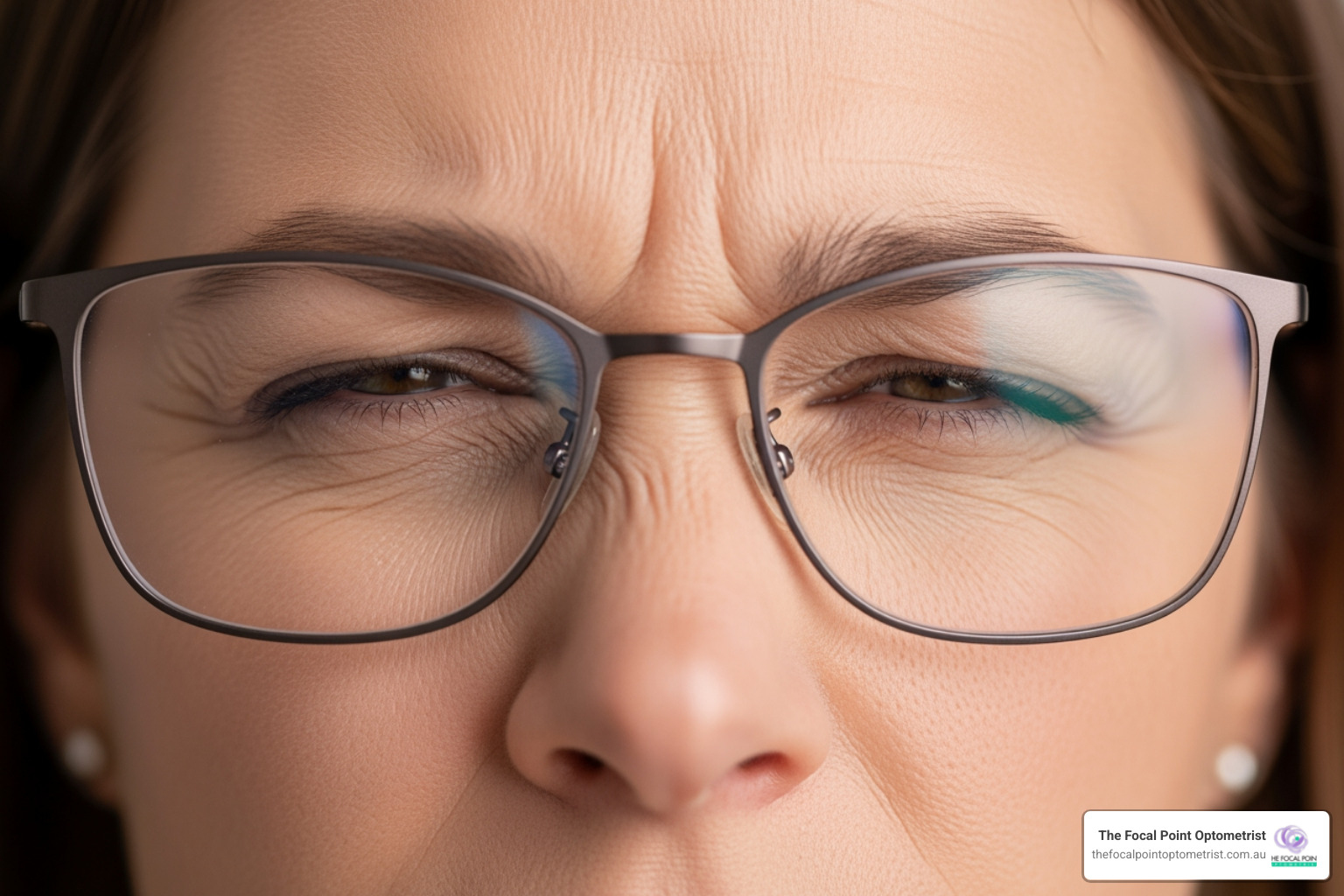
Have you noticed your vision feeling increasingly unbalanced? Perhaps one eye seems sharper than the other, or you feel more strain when reading or using a screen. This could be due to anisometropia, a condition where your eyes have significantly different refractive powers—typically a difference of one dioptre or more.
Refractive power describes how strongly the eye needs to bend light to bring things into focus. When both eyes have a similar script, the brain can comfortably combine the two images into a single, clear picture. With anisometropia, there may be a different amount or type of script in each eye, such as:
- Short-sightedness (myopia), where distance vision is blurry.
- Long-sightedness (hyperopia), where close work can be more difficult.
- Astigmatism, where the eye focuses light differently in different directions, causing distortion.
You might have one eye that is more short-sighted, the other more long-sighted, or one eye with noticeably more astigmatism. These differences can affect how your eyes team together, impacting depth perception and overall comfort.
Many people associate anisometropia with childhood, when the visual system is still developing. However, research shows it becomes more common with age, with its prevalence increasing significantly in older populations. This increase is largely due to gradual, natural changes in the eye’s lens that often do not happen at the same rate in both eyes.
In younger people, the brain is more adaptable and can sometimes “tune out” the blurrier eye. Adults, however, are more likely to notice symptoms, including:
- Eye strain and fatigue, especially with detailed tasks.
- Headaches after reading or screen use.
- A sense that one eye is doing more work than the other.
- Reduced confidence with depth perception—for example, judging steps, kerbs, or parking.
Binocular vision—the way your two eyes and brain work together—is central to comfortable sight. If each eye sends the brain a different level of clarity or a different-sized image, the brain must work harder to combine them. Over time, that extra effort can feel exhausting.
The causes of anisometropia in adults are varied, ranging from natural, asymmetrical ageing to the effects of eye surgery, trauma, or disease. Understanding what is driving the change in your eyes is the first step toward finding the right solution.
I’m Bernie Eastwood, I have spent over 20 years helping adults steer complex visual challenges, from subtle binocular vision imbalances to significant script differences between the eyes. With careful assessment and the right management, most people can regain far more comfortable and stable vision.
In the sections below, we will explore why your vision might feel unbalanced, what typically causes anisometropia in adults, and how custom care at The Focal Point Optometrist can help you see clearly and comfortably again.
Understanding the Primary Causes of Anisometropia in Adults
Anisometropia in adults can develop or worsen for several reasons, often stemming from asymmetrical changes between the two eyes. Unlike in children, where the visual system is highly adaptable, adults can find this imbalance disruptive. Understanding the specific anisometropia causes in adults is crucial for effective management.
How Age-Related Changes Contribute to Anisometropia in Adults
Our eyes do not always age at the same rate. This gradual divergence is a primary driver of adult-onset anisometropia.
- Cataracts and Lens Changes: As we age, the natural lens can become cloudy (a cataract). This process is often uneven between eyes. Nuclear sclerosis can cause a “myopic shift”, where the script moves in a more short-sighted direction 1. If this occurs more in one eye, it creates a refractive imbalance.
- Presbyopia and Script Shifts: Presbyopia—difficulty focusing on near tasks—typically starts in the 40s.
- Long-Term Script Changes: Over many years, adults may experience gradual shifts in myopia, hyperopia, or astigmatism. If these occur at different rates between eyes, anisometropia can slowly emerge 3.
For more information about how various eye conditions influence your script, explore our overview of eye conditions.
Acquired Anisometropia in Adults: Beyond Natural Ageing

Some adults notice changes quite suddenly after a particular event or treatment.
- Eye Surgery:
- Cataract Surgery: During cataract surgery, the cloudy lens is replaced with an artificial intraocular lens (IOL). If only one eye is operated on, or if IOL powers differ, anisometropia can result 4. Read more: What Is an Intraocular Lens Implant?.
- Retinal Detachment Surgery: Procedures like scleral buckles can change eye shape and length, altering the script 5.
- Eye Trauma: Injury to one eye can affect the cornea, lens, or overall eye shape, leading to different refractive errors.
- Eye Diseases:
- Keratoconus: The cornea gradually becomes thinner and cone-shaped, often starting in one eye, creating substantial refractive differences 6.
- Ptosis: A droopy eyelid can reduce image quality and affect how the brain relies on each eye.
How Adult Anisometropia Differs from Childhood Cases
The key difference lies in the brain’s response.
In childhood, the highly plastic brain may suppress input from a blurrier eye, potentially leading to amblyopia 7.
In adults, the established visual system tries to use both eyes even when images do not match, leading to:
- Aniseikonia: Different-sized images from each eye
- Depth Perception Issues: Difficulty judging distances
- Binocular Vision Disruption: Intermittent double vision or eye strain
Management goals differ, too. Children’s treatment focuses on visual development; adults need comfortable, stable binocular vision. Learn more: Vision Therapy Optometrist.
The Long-Term Consequences of Unbalanced Vision

Living with this imbalance can significantly impact daily life:
- Persistent eye strain and headaches 8
- Dizziness and disorientation
- Poor depth perception affects driving, sport, and daily tasks
- Increased risk of falls in older adults
Aniseikonia—image size difference—is particularly important. Spectacle lenses correcting large script differences can magnify or minify images differently, causing discomfort.
How We Diagnose and Manage Anisometropia
Diagnosing adult anisometropia requires a personalised approach. A comprehensive eye test includes:
- Measuring each eye’s script
- Assessing binocular vision
- Examining eye health
- Discussing your visual demands
Management options include:
- Contact Lenses: These sit directly on the eye, removing image size differences that occur with spectacles 9.
- Spectacle Lenses: For larger script differences, we use specialised designs to reduce image size differences.
- Regular Monitoring: Ongoing care maintains long-term visual comfort and health.
Explore our full range of services on our eye care services page.
Regain Your Visual Comfort in Perth
Understanding the anisometropia causes in adults is the first step towards regaining clarity and comfort in your vision. Whether it is the subtle, asymmetrical changes that come with age, the impact of eye surgery, or a specific eye condition like keratoconus, the effects of unbalanced vision can be far-reaching. From persistent headaches and eye strain to challenges with depth perception and reduced confidence when driving or moving around unfamiliar spaces, untreated anisometropia can quietly diminish your quality of life.
At The Focal Point Optometrist in Wembley, Perth, we believe in a holistic, person-centred approach to eye care. We understand that vision is more than just sight; it is about how your eyes and brain work together to interpret the world around you. Our team takes the time to listen to your story, understand your daily visual demands, and never rushes you through an appointment.
During a comprehensive eye test, we do more than check your script. We assess how your eyes team and focus, check eye health from front to back, and look for underlying causes of anisometropia such as cataracts, corneal changes, or retinal conditions. Every member of our team is highly qualified, and we use advanced technology to ensure your assessment is as thorough and comfortable as possible.
Because we are an independent practice, we are not limited to a narrow range of products. We can access a wide variety of spectacle frames beyond what is on display in-store, and we carefully match lens designs and frame choices to your specific needs. For adults with anisometropia, this may include strategies to reduce image size differences and support easier binocular vision.
If progressing myopia is part of your anisometropia story, we offer personalised myopia management programs, including Ortho-K and MiSight soft contact lenses, to help protect your long-term eye health. We can also support you with Dry Eye Diagnosis and Treatment if sore, tired eyes are adding to your discomfort.
Most importantly, we see ourselves as healthcare providers first, not a retail shop. Our priority is your visual comfort, safety, and long-term eye health.
Take the Next Step Towards Balanced Vision
You do not have to put up with unbalanced or uncomfortable vision as “just getting older”. With the right assessment and custom management, many adults experience a significant improvement in clarity, comfort, and confidence.
If you are noticing:
- One eye feels clearer or stronger than the other.
- Increasing eye strain, headaches, or dizziness.
- Difficulty judging distances, steps, or gaps.
It is worth having your eyes thoroughly checked.
Book your comprehensive eye test with us today and let The Focal Point Optometrist in Wembley help you achieve clear, comfortable, and balanced vision for the years ahead.