
What Causes Conjunctivitis and Why It Matters

The cause of conjunctivitis determines how you should treat it and whether it’s contagious. Here are the main causes:
Infectious Causes (Contagious):
- Viral – Most common type, caused by adenovirus and other viruses; spreads through hand-to-eye contact and respiratory droplets
- Bacterial – Caused by bacteria like Staphylococcus aureus; produces thick, yellow-green discharge
Non-Infectious Causes (Not Contagious):
- Allergic – Triggered by pollen, dust mites, pet dander, or other allergens; causes intense itching
- Irritant – From chlorine, smoke, chemicals, or improper contact lens wear; usually mild
Conjunctivitis is inflammation of the conjunctiva, the thin membrane covering the white part of your eye and inner eyelid. When the tiny blood vessels in this membrane become irritated and swollen, your eyes appear red.
Understanding what’s causing your symptoms matters. Viral conjunctivitis needs time to heal on its own, bacterial cases may require antibiotic drops, allergic reactions respond to anti-allergy medication, and irritant-related inflammation often clears up once you remove the irritating substance.
Understanding Conjunctivitis: More Than Just Redness
Conjunctivitis is one of the most common eye conditions we see at our practice in Wembley, Perth. But what exactly is it, and why does it occur?
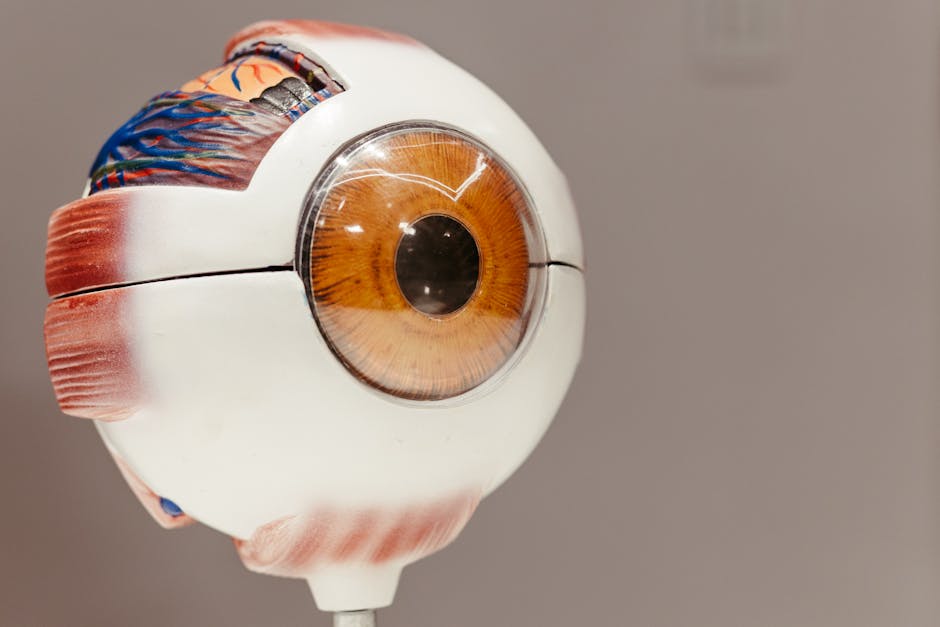
At the front of your eye, there’s a clear, thin membrane called the conjunctiva. This membrane covers the white part of your eyeball (the sclera) and lines the inside of your eyelids. Its main job is to keep your eye moist and lubricated, and to protect it from dust, debris, and infection.
When this delicate membrane becomes inflamed, the small blood vessels within it swell and become more noticeable, giving the eye a characteristic red hue. This inflammation can be caused by various factors, leading to different types of conjunctivitis.
Understanding the specific type of conjunctivitis you have is crucial. Each type has its own cause, symptoms, and most importantly, its own effective treatment plan. A viral infection, for example, won’t respond to antibiotics, and an allergic reaction requires a different approach entirely. That’s why a professional diagnosis is so important – it ensures you receive the right care and avoid unnecessary treatments.
Infectious Causes of Conjunctivitis
Infectious conjunctivitis is highly contagious and spreads easily from person to person. These types are typically caused by microorganisms like viruses or bacteria.
Viral Conjunctivitis: The Most Common Cause of Conjunctivitis
Viral conjunctivitis is the most common type of conjunctivitis, accounting for the majority of cases. It’s often caused by adenoviruses, which are also responsible for the common cold or sore throat. This type of conjunctivitis is highly contagious, meaning it can spread quickly through households, schools, and workplaces in Perth.
When you have viral conjunctivitis, you’ll likely experience a watery discharge from the affected eye, along with a gritty sensation, as if there’s sand in your eye. It often starts in one eye and then spreads to the other within a few days. You might also notice your eyelids are swollen. A key indicator is its association with a common cold or other respiratory infection, with symptoms like a sore throat or runny nose often preceding or accompanying the eye inflammation 1.
Viral conjunctivitis spreads primarily through:
- Hand-to-eye contact: Touching an infected surface or person, then touching your eyes.
- Respiratory droplets: Coughs or sneezes from an infected person can release virus particles that can enter your eyes.
Unfortunately, there’s no specific cure for viral conjunctivitis. Like a common cold, it usually has to run its course, which can take anywhere from one to three weeks or even longer. Our advice typically focuses on managing symptoms and preventing the spread, such as using lubricating eye drops and practising excellent hand hygiene.
Bacterial Conjunctivitis
Bacterial conjunctivitis is another contagious form of the condition, though it’s less common than viral conjunctivitis. It’s particularly prevalent among children, who are more likely to get it than adults 3.
This type is characterised by a thicker, sticky discharge, which can be yellow, green, or even white. You might find your eyelids are crusted shut when you wake up in the morning, making it difficult to open your eyes. Common bacteria responsible for this include Staphylococcus aureus, Streptococcus pneumoniae, and Haemophilus influenzae 4. Interestingly, bacterial conjunctivitis can sometimes occur at the same time as an ear infection, especially in children 5.
Bacterial conjunctivitis spreads through direct contact with discharge from the infected eye, either via contaminated hands or shared items like towels or makeup.
Unlike viral conjunctivitis, bacterial conjunctivitis can often be treated with antibiotic eye drops or ointment prescribed by your optometrist or doctor. While some mild cases might clear up on their own within a few days, treatment can help shorten the duration of the infection, reduce symptoms, and prevent complications. It’s important to complete the full course of antibiotics, even if your symptoms improve quickly.
Non-Infectious Causes: Allergies and Irritants
Not all forms of conjunctivitis are contagious. Many cases stem from environmental factors rather than infectious agents.
Allergic Conjunctivitis
Allergic conjunctivitis is a very common type, especially for those of us in Perth who experience seasonal allergies. The good news is, it’s not contagious! It’s an immune response to allergens, similar to how your body reacts to hay fever.
If you have allergic conjunctivitis, the main symptom you’ll likely notice is intense itching in both eyes. Your eyes will also be watery, and you might experience other allergy symptoms like sneezing, a runny nose, or a scratchy throat. This is because your body produces immunoglobulin E (IgE) in response to allergens, triggering the release of histamines, which cause the inflammation and itching.
Common allergens that trigger this reaction include:
- Pollen from trees, grasses, and weeds (especially during spring and summer in Western Australia).
- Dust mites, which are microscopic creatures found in household dust.
- Mould spores, which thrive in damp environments.
- Pet dander (tiny flakes of skin from animals).
- Certain cosmetics or contact lens solutions.
Allergic conjunctivitis is often seen in people who have other allergic conditions like hay fever, asthma, or eczema 6. Managing allergic conjunctivitis typically involves identifying and avoiding the allergen, along with using anti-allergy eye drops or oral antihistamines.
Irritant Conjunctivitis as a Cause of Conjunctivitis

Another non-contagious form is irritant conjunctivitis. This occurs when your eyes come into contact with a substance that irritates the conjunctiva, causing inflammation. It’s usually mild and often resolves once the irritating substance is removed or flushed from the eye.
Common irritants include:
- Chlorine in swimming pools: The chemicals used to sanitise pools can cause temporary eye irritation, leading to redness and watering.
- Smoke and fumes: Exposure to cigarette smoke, bushfire smoke, or chemical fumes can irritate the eyes.
- Dust or dirt: Small particles entering the eye can cause mechanical irritation.
- Improper contact lens wear or hygiene: Wearing contact lenses for too long, not cleaning them properly, or using expired solutions can lead to irritation and inflammation. This is why we always stress the importance of following our advice for proper contact lens care, especially for specialty contact lenses like Ortho-K for myopia control or MiSight daily disposable lenses.
- Chemical splash: Accidental splashes of household cleaners, sprays, or other chemicals can cause immediate and sometimes severe irritation. If this happens, immediate and thorough flushing of the eye with water is critical, followed by urgent medical attention.
For irritant conjunctivitis, the primary treatment is to remove the irritant. Flushing the eye with clean water or saline solution can often provide relief. If symptoms persist or worsen, it’s always best to consult with us.
Symptoms, Diagnosis, and When to See Your Optometrist
Recognising the symptoms of conjunctivitis is the first step, but understanding the differences between types is key to getting the right help.
Differentiating Symptoms: A Quick Guide
While all types of conjunctivitis can cause redness and discomfort, certain symptoms can help us narrow down the cause of conjunctivitis:
| Feature | Viral Conjunctivitis | Bacterial Conjunctivitis | Allergic Conjunctivitis |
|---|---|---|---|
| Type of Discharge | Watery, clear, sometimes minimal | Thick, sticky, yellow, green, or white; often crusts eyelids shut | Watery, clear; can be profuse |
| Itch Level | Mild to moderate; gritty sensation | Mild to moderate; foreign body sensation | Intense itching; often accompanied by sneezing/runny nose |
| Contagiousness | Yes, highly contagious | Yes, highly contagious | No, not contagious |
| Other Symptoms | Often with cold/flu symptoms (sore throat, runny nose) | Can be with ear infection; affects one or both eyes | Often with seasonal allergies; affects both eyes |
The Importance of a Professional Diagnosis
While this guide offers general insights, self-diagnosis can be risky. Other eye conditions can mimic conjunctivitis symptoms but require very different treatments. For example:
- Keratitis: Inflammation of the cornea (the clear front surface of the eye), which can be serious and affect vision.
- Uveitis: Inflammation of the middle layer of the eye, which can lead to severe complications if untreated.
- Foreign body: A speck of dust or debris stuck under the eyelid can cause similar irritation.
A professional eye test is essential to rule out these more serious issues and confirm the precise cause of conjunctivitis. At The Focal Point Optometrist in Wembley, our comprehensive eye tests include a detailed examination using a slit-lamp microscope. This allows us to get a magnified, three-dimensional view of the conjunctiva, cornea, and other structures of your eye, helping us accurately diagnose the condition and recommend the most effective treatment plan for you. You can learn more about our comprehensive eye tests here.
When to Book an Appointment Immediately
Most cases of conjunctivitis are not vision-threatening, but certain symptoms warrant immediate attention from your optometrist. Please book an appointment straight away if you experience any of the following 7:
- Severe eye pain: Any intense or worsening pain.
- Changes to your vision: Blurred vision, double vision, or any noticeable decrease in sight.
- Extreme sensitivity to light (photophobia): Light causes significant discomfort.
- Intense redness: If the redness is very deep or accompanied by other severe symptoms.
- Symptoms that rapidly worsen: If your condition deteriorates quickly despite home care.
- Any conjunctivitis symptoms in a newborn baby: Neonatal conjunctivitis can be very serious and requires urgent medical assessment 8.
Early intervention can prevent potential complications and ensure the best possible outcome for your eye health.
Frequently Asked Questions about Conjunctivitis
We often receive questions about conjunctivitis, especially regarding its contagiousness and potential impact on vision. Here are some of the most common ones.
How long is conjunctivitis contagious?
This is a critical question, especially for families and those working in close contact with others.
- Viral and bacterial conjunctivitis are contagious for as long as you have symptoms like redness, discharge, and tearing. This can often be up to two weeks, or even longer for some viral strains. With bacterial conjunctivitis, you’re typically contagious until the discharge has cleared and/or you’ve been on antibiotics for at least 24 hours. Good hygiene practices, like frequent hand washing and avoiding touching your eyes, are vital during this period.
- Allergic and irritant conjunctivitis are never contagious. You cannot spread these types to others, as they are caused by your body’s reaction to an allergen or an external irritant, not an infectious agent.
Can conjunctivitis affect my vision?
For most people, conjunctivitis does not cause long-term vision damage. The inflammation is typically confined to the conjunctiva, which does not directly affect your vision. However, severe cases or complications can sometimes affect the cornea (the clear front surface of your eye), which can temporarily impact vision. If the cornea becomes inflamed (keratitis) or scarred, it could potentially lead to more lasting vision issues. This highlights why prompt and correct diagnosis and treatment are so important, especially if you notice any changes in your vision.
Can I wear my contact lenses if I have conjunctivitis?
No, absolutely not. If you suspect you have conjunctivitis, you should stop wearing contact lenses immediately. Wearing them can trap the infectious agents or irritants against your eye, worsening the condition and potentially leading to more serious complications, such as corneal ulcers.
We advise you to:
- Remove your contact lenses as soon as symptoms appear.
- Avoid wearing them until your optometrist confirms the infection is completely gone and your eyes have returned to normal.
- Discard any disposable contact lenses and cases that you were using during the infection. For reusable lenses, follow your optometrist’s specific instructions for cleaning and disinfection, or consider replacing them to prevent re-infection.
For our patients using specialty contact lenses like Ortho-K for myopia control or MiSight daily disposable lenses, it’s particularly important to follow these guidelines and consult with us for custom advice.
Bringing Your Conjunctivitis Puzzle Into Focus
Understanding the cause of conjunctivitis is paramount for effective treatment and preventing its spread. Whether it’s a contagious viral or bacterial infection, or a non-contagious allergic reaction or irritation, each type demands a specific approach. While general information can be helpful, self-diagnosis can be risky, potentially delaying proper treatment for a condition that might be more serious than it appears.
At The Focal Point Optometrist in Wembley, Perth, we pride ourselves on providing expert, personalised eye care. Our highly qualified team takes the time to listen to your concerns and conduct thorough assessments to determine the precise cause of your eye symptoms. We believe in being a healthcare provider first, ensuring you receive a proper diagnosis and a personalised care plan customised to your needs.
If you’re experiencing symptoms of conjunctivitis or any other eye concern, don’t hesitate. Book an appointment with our experienced team for a proper diagnosis and personalised care plan.