Why Proper Fit Matters
At our Wembley clinic, we understand that children aren’t just small adults. Their facial structures—particularly the bridge of the nose—are still developing, which requires a specialised approach to frame selection. We dedicate a full hour to our initial consultations to ensure we have ample time to measure, fit, and adjust frames without any rush. This personalised attention is vital because unmanaged vision problems can significantly hinder a child’s ability to learn and interact with their environment. By focusing on proper fitting frames for children, we provide a stable platform for clear vision, helping your child feel confident and comfortable in their new spectacles from the very first day.
When a child is prescribed spectacles, the goal is simple: give them the clearest, most comfortable view of the world. But if the frames slide down the nose, kids often end up looking over the top of the lenses, which can undo the benefit of the script. That is why we put so much emphasis on the technical details of fitting. A proper fit helps support binocular vision (both eyes working together as a team). When frames sit crooked or the lenses are not positioned correctly, some children can experience eye strain, headaches, and a growing reluctance to do near-work like reading, writing, or drawing. Our aim is for every child who visits us to leave in spectacles they can forget about, so they can get on with learning, playing, and being a kid. Research indicates that approximately one in five children require some form of vision correction, and for those children, comfort and fit are often what determine whether the glasses get worn consistently.
Technical Precision in Frame Fitting
Achieving proper fitting frames for children requires a deep understanding of paediatric facial anatomy. Unlike adults, children often have flatter nose bridges and a smaller distance between their eyes. This means that simply choosing a smaller version of an adult frame is rarely successful. We must look for frames specifically designed for younger faces, often featuring lower bridges or adjustable nose pads to prevent the spectacles from sliding down. Accurate measurements of the pupillary distance are essential to ensure the optical centre of the lens aligns perfectly with the child’s pupil.
The Importance of Lens Alignment
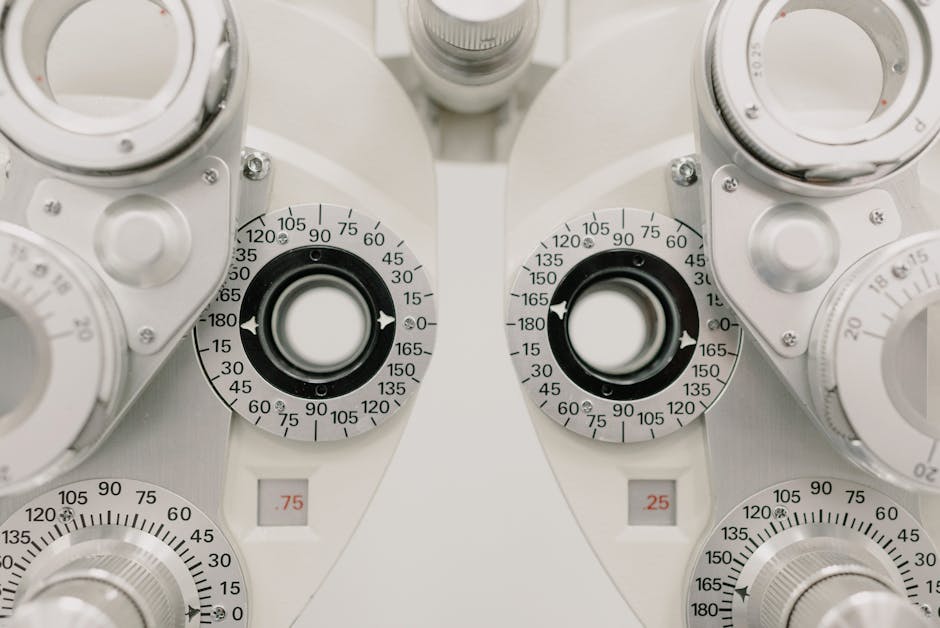
Lens alignment is the cornerstone of a successful fit. If the lenses are not centred correctly, the child may experience unwanted prismatic effects. This can make objects appear shifted or cause a sense of imbalance, leading to dizziness or nausea. To avoid this, we measure:
- Pupillary Distance (PD): The horizontal distance between the centres of the pupils.
- Optical Heights: The vertical position of the pupil within the frame aperture.
- Vertex Distance: The space between the back of the lens and the front of the eye.
When these measurements are precise, the child looks through the “sweet spot” of the lens, ensuring maximum clarity. Regular eye examinations are necessary to update these measurements as the child’s face grows and changes shape. At The Focal Point Optometrist, we use digital measuring tools to ensure these figures are accurate to the millimetre.
Preventing Physical Discomfort
A common issue we see with poorly fitted frames is contact with the cheeks or eyelashes. If a frame rests on the cheeks, it will move every time the child smiles or speaks, leading to constant instability. Furthermore, if the eyelashes touch the lenses, they will leave oily smudges that blur vision and cause irritation. Proper frame positioning ensures a clear gap between the skin and the frame, allowing for adequate airflow. This airflow is critical in the Western Australian climate to prevent the lenses from fogging up during physical activity.
Temple and Bridge Stability
The temples, or arms of the spectacles, must be the correct length to curve gently behind the ear. If they are too short, they will pull the frame into the bridge of the nose, causing sore spots. If they are too long, the spectacles will slide down whenever the child looks down at a book or tablet. We also pay close attention to the bridge fit. A well-fitted bridge distributes the weight of the spectacles evenly across the nose. For toddlers, we often recommend a “saddle bridge” which provides a larger surface area of contact, increasing comfort and stability for those with less developed nose bridges.
| Fitting Feature | Ideal Standard | Potential Issue |
|---|---|---|
| Pupil Centration | Perfectly aligned with the lens optical centre | Blurred vision and eye strain |
| Cheek Clearance | No contact even when smiling | Frame instability and skin irritation |
| Eyelash Gap | Sufficient room for full blink | Smudged lenses and eye discomfort |
| Temple Wrap | Snug fit behind the ear | Spectacles slipping or pinching |
| Bridge Contact | Even pressure across the nose | Red marks or constant sliding |
Materials and Advanced Lens Technology
When selecting proper fitting frames for children, the material of the frame is just as important as the measurements. Children lead active lives, and their spectacles need to be durable enough to withstand the rigours of school, sport, and play. We prioritise materials that are lightweight, hypoallergenic, and impact-resistant. Choosing the right material can prevent allergic reactions and skin irritation in children with sensitive skin.
Durable Frame Materials
- Pure Titanium: This is an excellent choice for children because it is incredibly strong yet very light. It is also naturally hypoallergenic, making it ideal for kids who might react to the nickel found in some metal alloys.
- TR-90 Thermoplastic: This material is known for its incredible flexibility. It can bend under pressure and return to its original shape, which is a lifesaver when spectacles are accidentally sat on or pulled.
- Acetate: High-quality acetate allows for a wide range of colours and patterns, helping children feel excited about their style while maintaining a sturdy structure.
Safety and Clarity in Lenses
For the lenses themselves, safety is our primary concern. We almost exclusively recommend polycarbonate or Trivex for children. Polycarbonate is highly recommended for its impact resistance, providing a vital layer of protection during sports. While polycarbonate is the standard for safety, Trivex offers superior optical clarity and is even lighter, making it a premium choice for higher scripts. All our lenses include 100% UV protection, which is essential for protecting young eyes from the harsh Australian sun.
Specialty Contact Lenses: Soft and Hard Categories
While many parents start with frames, some children are better suited for specialty contact lenses, particularly for myopia management or specific corneal conditions. These are generally divided into two distinct categories:
- Soft Specialty Lenses: These include daily disposable lenses specifically designed to slow the progression of short-sightedness. They are comfortable and easy for older children to handle, providing a wide field of view without the physical presence of a frame.
- Hard Specialty Lenses: Also known as Rigid Gas Permeable (RGP) lenses or Orthokeratology (Ortho-K) lenses. Ortho-K lenses are worn only at night to gently reshape the cornea, allowing the child to see clearly during the day without any spectacles or contacts. Hard lenses often provide crisper vision for complex prescriptions compared to soft alternatives.
Advanced Coatings
To further enhance the performance of proper fitting frames for children, we offer advanced lens coatings. Anti-reflective coatings reduce glare from classroom whiteboards and digital screens, while scratch-resistant coatings help the lenses last longer in the hands of an active child. We also provide blue-light filtering options for children who spend significant time on digital devices for schoolwork, helping to reduce digital eye strain.
Practical Advice for Parents
Helping a child adapt to new spectacles is a journey that requires patience and positive reinforcement. As an optometrist, I’ve found that the more involved a child is in the selection process, the more likely they are to wear their spectacles consistently. When you visit us, please remember to bring your Medicare card, as this allows us to process any bulk-billing or claims efficiently. Medicare covers regular eye examinations for children, ensuring that cost is not a barrier to essential eye care.
Encouraging Consistent Wear
If your child is resistant to wearing their new frames, try to build up their wear time gradually. Start with high-interest activities, such as watching a favourite movie or reading a preferred book, where the benefit of clear vision is immediate. Positive reinforcement and praise can go a long way in building a child’s confidence with their new look. It is also helpful to point out role models or family members who wear spectacles to show that it is a normal and positive part of life.
Maintenance and Care Routine
Teaching your child how to care for their proper fitting frames for children will extend the life of the spectacles and ensure they remain effective. We recommend the “Face or Case” rule: if the spectacles are not on their face, they must be in their hard-shell case.
- Cleaning: Use a dedicated lens spray and a microfibre cloth. Avoid using tissues or clothing, as these can trap dust and scratch the lens coatings.
- Handling: Encourage your child to use both hands when putting on or taking off their spectacles. This prevents the temples from stretching out and keeps the frame aligned.
- Adjustments: Over time, even the best-fitted frames can become loose. Professional adjustments are necessary to maintain the correct fit. Never attempt to bend the frames back into shape at home, as this can lead to breakage.
Scheduling the Appointment
To get the best results, schedule your child’s eye test at a time when they are well-rested. A tired or hungry child may struggle to provide accurate responses during the subjective part of the vision test. At The Focal Point Optometrist, we strive to make the environment welcoming and stress-free. We encourage parents to discuss any concerns they have about their child’s visual behaviour, such as squinting, tilting the head, or sitting too close to the television, as these are common signs of underlying vision issues.
The Focal Point Difference in Wembley
Choosing the right provider for your child’s eye care is a significant decision. At The Focal Point Optometrist, we pride ourselves on being an independent practice that puts clinical outcomes first. Our team has over 40 years of combined experience in the industry, and we have built our reputation on providing thorough, holistic care to the families of Wembley and the surrounding suburbs. We don’t believe in 15-minute appointments; we believe in taking the time to understand every aspect of a child’s visual needs.
Our commitment to proper fitting frames for children is backed by our investment in the latest diagnostic technology. We use advanced imaging to monitor the health of the eye and the progression of any refractive errors. Because we are independent, we have the freedom to source the best frames and lenses from a wide variety of global manufacturers, ensuring that we can find the perfect solution for even the most unique face shapes or complex scripts. Independent optometrists often provide a more personalised level of continuity of care, which is especially important for children as they grow and their needs evolve.
We also understand the practicalities of family life. We offer a range of frames that balance durability with style, ensuring that parents get value for money while children get a look they love. Our staff are experts at fitting paediatric frames and are always available for complimentary adjustments and minor repairs. We believe that every child deserves to see the world with absolute clarity, and we are dedicated to making that a reality for every patient who visits our Wembley clinic.
Frequently Asked Questions
How can I tell if my child’s frames no longer fit properly?
Children grow at an incredible rate, and their faces are no exception. You should check the fit every few months. Signs of a poor fit include red marks on the bridge of the nose or behind the ears, the child constantly pushing the spectacles up, or the child looking over the top of the lenses. Regular check-ups every six to twelve months are recommended to ensure the frame and the script are still appropriate.
What are the best frames for very active children or those playing sports?
For organised sports, impact-resistant lenses like polycarbonate are a non-negotiable safety requirement. We can also discuss specialised sports goggles if your child participates in high-contact activities.
Why does my child’s script seem to change so often?
As a child’s eye grows, its shape changes, which can alter how light is focused on the retina. This is particularly common in children with myopia (short-sightedness). Monitoring these changes through regular eye exams allows us to adjust the script and the frame fit to ensure their vision remains sharp. We also offer myopia management strategies to help slow this progression down.
Is it okay to buy children’s spectacles online?
While online shopping is convenient, it is highly discouraged for paediatric spectacles. Without a professional fitting, it is impossible to accurately measure the optical heights and ensure the bridge fits correctly. Poorly fitted spectacles from online sources can lead to significant visual discomfort and may not provide the safety standards required for children’s eyewear.
Do your frames have warranties?
We do have frames offering up to 2 years warranty. We understand that accidents happen, and when children play outside, frames may end up getting damaged. Make sure to ask us about warranties in our office and we’ll be more than happy to get you situated with a pair that matches your child’s lifestyle.
A Clearer Outlook: Framing Your Child’s Future Success
Ensuring your child has proper fitting frames for children is one of the most impactful steps you can take for their educational and social development. When a child can see clearly without the distraction of slipping frames or uncomfortable pressure points, they are free to engage fully with the world around them. From the classroom to the sporting field, the right spectacles act as a silent partner in their success. At The Focal Point Optometrist, we are honoured to play a role in this journey, providing the expertise and care needed to protect and enhance your child’s vision.
If you have noticed any changes in your child’s vision, or if it has been more than a year since their last check-up, now is the perfect time to act. Our friendly, professional team in Wembley is ready to help you find the perfect pair of spectacles that your child will be proud to wear. Book an appointment with us today and experience the difference that professional, personalised paediatric eye care can make for your family.