
Advanced Vision Solutions: Why Being Properly Seen and Heard Matters for Your Eyesight
When you seek professional care for your eyes, you deserve an experience that goes far beyond a quick, automated check. Truly advanced vision solutions are not just about updating a prescription or reading letters off a distant wall. Instead, they represent a deeply personalised, thorough approach to eye care that looks at how your eyes function together, how your brain processes visual information, and how your sight supports your daily life. Most importantly, this level of care is built on a simple but vital foundation: the feeling of being properly seen and heard by a practitioner who takes the time to understand your unique world.
Too often, modern healthcare can feel rushed, leaving patients feeling like just another appointment in a busy schedule. When an eye test is treated as a transaction, subtle details about your visual comfort, lifestyle demands, and long-term health can easily be missed. We believe that helpful eye care begins with genuinely listening. By taking the time to understand your daily routines, your work environment, and your personal concerns, we can provide tailored solutions that support your visual comfort and general well-being over your entire lifetime.
Key Takeaways
- Advanced vision solutions include services such as comprehensive eye tests, myopia control management, vision therapy, binocular vision testing, and individualised frame and lens options.
- These approaches are suited to both children experiencing learning or developmental vision difficulties and adults with complex or changing visual needs
- A thorough initial consultation, typically around one hour, allows your optometrist to assess far more than basic visual acuity
- Early detection of progressive eye conditions can support better long-term outcomes when managed with continuity of care
- Independent family optometrists in Wembley, Western Australia, like The Focal Point Optometrist, are well placed to provide this level of personalised, ongoing care
At The Focal Point Optometrist, we believe that good eye care starts with genuinely listening. We take the time to understand your lifestyle, your concerns, and your visual demands before recommending any course of management. That approach shapes everything we do.
Too often, people leave an eye test feeling like just another appointment in a busy schedule. We want every person who walks through our door in Wembley to feel properly seen and heard, because that is where truly helpful eye care begins.
Advanced vision solutions word guide:
Why This Issue Should Not Be Ignored: The Risks of Rushed Care
Our eyes are constantly adapting to the world around us, but subtle changes in vision can easily slip under the radar. Many people assume that if they can see clearly in the distance, their eyes are perfectly healthy. However, clear vision is only one aspect of visual function. Progressive conditions can develop slowly without any obvious early warning signs, meaning that early detection through proactive care is vital.
When eye care is rushed, the focus is often limited to finding a quick prescription to correct basic distance vision. This transactional approach risks overlooking how your eyes coordinate as a team, how they focus up close for extended periods, and how they cope with the demands of modern digital screens. Ignoring persistent visual fatigue or minor tracking issues can lead to ongoing discomfort, reduced concentration, and unnecessary strain in your daily life.
Taking a preventative approach to eye care helps protect your long-term visual comfort and general well-being. According to educational resources from Healthdirect Australia, regular check-ups are essential for monitoring changes in your eye health and identifying potential issues before they impact your daily life. By addressing small changes early, we can implement supportive, reassuring strategies that keep your eyes feeling comfortable and functioning reliably.
Common Symptoms and the Need for Advanced Vision Solutions
Visual difficulties do not always present as simple blurriness. Often, the signs that your visual system is struggling are much more varied and can affect your comfort throughout the day.

Many individuals experience physical discomfort during or after visually demanding tasks. Some of the common signs that suggest your eyes may need a more comprehensive assessment include:
- Sore eyes: A tired, heavy, or aching feeling around the eyes, particularly after reading or working on a computer.
- Spots in vision: Noticing small shapes or spots that seem to drift across your field of view.
- Eye rubbing: Frequently rubbing the eyes, which is often a subconscious response to strain or irritation.
- Difficulty focusing: Finding that it takes a moment for your vision to clear when looking up from a book or screen, or experiencing temporary blurriness.
- Binocular vision issues: Misalignment or coordination problems between the two eyes, which can make judging distances difficult or cause text to appear to double.
Identifying the Need for Advanced Vision Solutions
While traditional spectacles or glasses can resolve basic focusing errors, they do not always address how the eyes coordinate or how the brain interprets visual signals. When someone experiences visual processing difficulties, their eyes may capture a clear image, but the brain struggles to make sense of the information efficiently. This can lead to fatigue, reduced comprehension while reading, and difficulty concentrating.
Through detailed assessments, such as Binocular Vision Testing, we can evaluate how well your eyes work as a team. If your eyes do not align or track together smoothly, it can place a continuous, exhausting demand on your visual muscles. Identifying these underlying coordination issues is the first step toward finding targeted solutions that go beyond a standard script.
What Personalised Eye Care Actually Looks Like
Personalised eye care is built around the understanding that no two pairs of eyes are identical. Rather than rushing through a series of automated tests, a dedicated family optometrist takes the time to explore your unique visual environment, ensuring you feel completely supported and understood.
| Standard Brief Consultation | Thorough, Relationship-Driven Care |
|---|---|
| Focuses primarily on basic visual acuity | Assesses visual acuity alongside binocular coordination and visual processing |
| Short appointment times, often under 20 minutes | Comprehensive initial consultations of approximately one hour |
| Minimal discussion of lifestyle or daily visual demands | Detailed history-taking to understand work, school, and hobbies |
| Often involves seeing a different practitioner each visit | Continuity of care with a consistent optometrist who knows your history |
| Standardised, product-focused recommendations | Customised management plans tailored to your long-term health |
At our practice in Wembley, we believe that a thorough assessment cannot be rushed. A comprehensive initial consultation typically takes around one hour. This 60-minute assessment allows us to perform detailed history-taking, mapping out your daily visual demands, general health, and family history.
During the examination, we assess visual acuity using standard testing distances, such as a 6-metre (20-foot) layout, while also evaluating how your eyes focus and track up close. For patients requiring a broader perspective on how their vision impacts learning, coordination, or development, we can incorporate behavioural optometry principles. If we identify complex conditions that require specialised medical intervention, we work collaboratively with general practitioners (GPs) and ophthalmologists to ensure you receive seamless, coordinated care.
Tailored Approaches and Advanced Vision Solutions
Once we have a complete picture of your visual system, we develop customised management plans. These plans are designed around your specific lifestyle, taking into account whether you spend your day looking at multiple monitors, working outdoors, or studying.
For those who can benefit from structured visual training, Vision Therapy Programmes offer a supportive pathway. Much like physical therapy for the body, these programmes involve tailored exercises that help retrain the brain and eyes to work together more efficiently. This approach can support improved visual comfort, better tracking, and reduced strain during daily activities.
The Value of Consistency: Building a Relationship with Your Optometrist
Building a relationship with a consistent family optometrist is one of the most effective ways to support your long-term eye health. When you see the same practitioner for your regular eye tests, you benefit from a level of continuity that is difficult to replicate in high-volume, transactional settings.
A consistent optometrist becomes familiar with the unique nuances of your eyes. This familiarity makes it much easier to track subtle, gradual changes in your vision or eye structure over time. What might look like a minor variation to a stranger can be recognised as an important trend by a practitioner who has monitored your eyes over several years.
This ongoing relationship also builds trust. When you feel comfortable with your practitioner, it is easier to discuss subtle symptoms, ask questions, and make collaborative decisions about your care. Furthermore, a deep understanding of your history leads to more accurate scripts and highly relevant recommendations, ensuring your spectacles or contact lenses provide optimal visual comfort year after year.
What to Expect at Our Wembley Clinic
When you visit our clinic in Wembley, Western Australia, you will find a calm, welcoming environment designed to make you feel at ease. We understand that clinical environments can sometimes feel cold or intimidating, which is why we prioritise supportive communication and a relaxed pace.
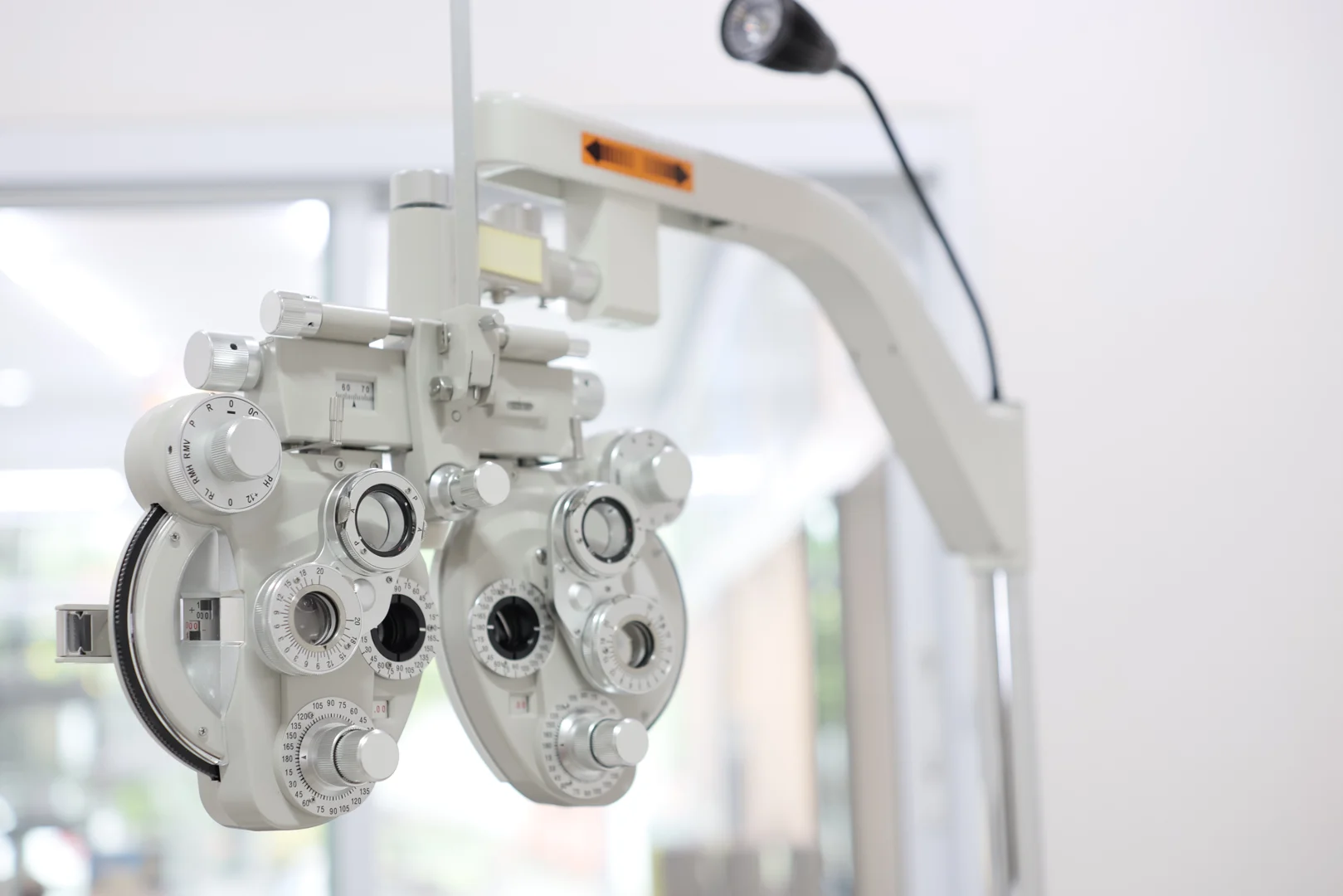
We use advanced diagnostic technology to perform highly thorough assessments of your outer and inner eye health. These tools allow us to capture detailed images of your retina and map the unique contours of your cornea. By combining clinical excellence with a gentle, patient-focused approach, we ensure that your examination is both highly accurate and comfortable.
Please remember to bring your Medicare card to your appointment so we can process any eligible rebates smoothly.
Implementing Advanced Vision Solutions for All Ages
Our visual needs change dramatically as we move through different stages of life. For young children, vision is closely tied to learning, physical coordination, and classroom confidence. Because children do not always know how to describe vision problems, specialised Paediatric Eye Tests are crucial for identifying issues like a squint, lazy eye, or tracking difficulties early in their development.
As we reach adulthood, our visual demands evolve. We may face progressive conditions such as presbyopia, which makes reading up close more challenging, or require strategies to manage long-term visual strain. By offering comprehensive care that spans from childhood to the senior years, we support Wembley families with the consistent, high-quality attention they deserve.
When to Book an Eye Test for Long-Term Health
Knowing when to schedule your next eye test is an important part of maintaining your visual health. While many adults benefit from a routine test every two years, your specific testing frequency will depend on your age, family history, and any existing eye conditions.
You should not wait for your routine reminder if you notice new symptoms. It is wise to seek professional advice promptly if you experience:
- Sudden changes in your clarity of vision
- New spots in vision or flashes of light
- Frequent headaches or persistent eye strain
- Ongoing discomfort, dry sensations, or sore eyes
- Difficulty reading or focusing on close-up tasks
For general guidance on maintaining healthy eyes, organisations like Optometry Australia recommend regular monitoring to ensure that any subtle shifts in your vision or eye health are identified and managed early.
Practical Solutions and Reassurance
Navigating changes in your vision can feel unsettling, but there are many practical, supportive steps we can take together. Whether you are adjusting to a new script, managing eye strain, or exploring vision therapy, our goal is to provide clear guidance and reassurance at every step.
If we detect signs of complex conditions that require specialised medical or surgical care, such as advanced cataracts or retinal concerns, we will guide you through the process of referring you to a trusted ophthalmologist. For general health issues or when oral antibiotics are required for systemic conditions, we will coordinate closely with your General Practitioner (GP). By maintaining strong professional pathways with local Western Australian specialists, we ensure you always receive the right care at the right time.
Seeing the Future Clearly: Our Commitment to Wembley Families
At The Focal Point Optometrist, we are proud to be an independent, family-oriented practice serving the Wembley and Perth communities. We believe that eye care is about more than just selling glasses; it is about building lasting relationships based on trust, clinical thoroughness, and personalised support. Every patient who visits our clinic deserves to feel properly seen and heard.
If you are ready to experience a more attentive, comprehensive approach to your visual health, we invite you to take the next step with us.
To find out how we can support your vision, please use the links below:
- Book an Eye Test with our experienced team
- Contact Us to ask a question or discuss your needs
- Explore the full range of Our Eyecare Services
Frequently Asked Questions About Advanced Vision Solutions
How long does an initial eye test take at your clinic?
A comprehensive initial eye test at our Wembley clinic takes approximately one hour. This dedicated 60-minute consultation allows us to perform a highly thorough assessment of your visual acuity, eye coordination, and overall eye health without feeling rushed. We take the time to discuss your lifestyle, answer your questions, and ensure we understand your visual needs completely.
What should I bring to my appointment?
Please bring any current spectacles or glasses you use for reading, driving, or computer work, as this helps us assess how well your current scripts are performing. It is also helpful to bring a list of any medications you are taking and your Medicare card so we can assist with billing and processing any eligible rebates.
How often should I have my eyes tested?
For most adults, we recommend a routine eye test every two years to monitor for subtle changes and ensure your script remains accurate. However, if you have an existing condition, a family history of eye disease, or are experiencing new symptoms like sore eyes, we may advise more frequent regular monitoring to protect your long-term sight.
What is behavioural optometry and how can it help?
Behavioural optometry is an approach to eye care that looks at how your eyes and brain work together to process visual information. Rather than just checking if you can see clearly at a distance, it assesses visual tracking, focusing, and coordination. This approach can support individuals experiencing learning-related visual difficulties or visual strain by providing tailored strategies and vision therapy programmes.
What happens if you detect a complex condition during my test?
If we identify a complex eye condition or a concern that requires specialised medical care during your test, we will explain our findings clearly and discuss the next steps. We will arrange a referral to a trusted ophthalmologist or coordinate with your GP to ensure you receive the appropriate specialist management and ongoing monitoring.