
Caring for Contact Lenses: Essential Habits for Optimal Vision and Ocular Health
Caring for contact lenses is an important part of wearing them safely and comfortably each day. Because lenses sit directly on the delicate tear film and cornea, the way they are cleaned, handled, and stored can influence both daily comfort and long-term ocular health. With clear routines and attentive guidance from your optometrist, contact lens care can become a simple, confidence-building part of your everyday vision routine.
Key Takeaways
- Prioritise Hand Hygiene: Always wash your hands with unperfumed soap and dry them completely with a lint-free towel before handling your Contact Lenses.
- Master the Rub and Rinse Method: Gently rubbing your lenses with fresh multipurpose solution helps remove surface deposits before disinfection.
- Avoid All Water Exposure: Tap water, pool water, and shower moisture contain microscopic organisms that can cause serious corneal infections.
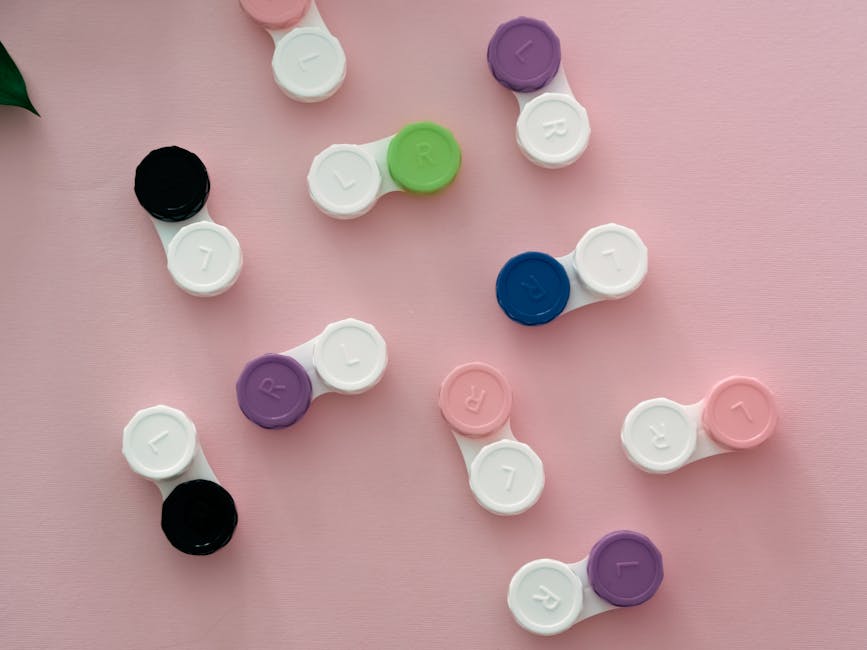
- Maintain Storage Cases: Clean your lens storage case daily with fresh solution, leave it to air-dry upside down, and replace the case every one to three months.
- Seek Comprehensive Guidance: Generous, unhurried appointments allow your optometrist to assess your visual needs and tailor a maintenance routine that fits your lifestyle.
Developing a clear understanding of contact lens care helps safeguard your vision while maintaining daily wear comfort. Reusable contact lenses rest directly on your delicate tear film and cornea, meaning that daily wear requires consistent, mindful cleaning routines to protect against microbial contamination.
By taking a thoughtful approach to daily handling, storage, and water safety, you can enjoy clear vision without compromising the ongoing health of your eyes. Your optometrist is available to walk you through each step of the cleaning process, ensuring you feel entirely confident in caring for your lenses at home.
Understanding the Importance of Reliable Lens Care
Caring for contact lenses is an essential part of using them safely, comfortably, and consistently. Daily care habits support the cleanliness of the lens surface, help maintain comfortable wear, and reduce the chance that unwanted deposits or contaminants remain on the lens before it returns to the eye. Because soft contact lens materials can absorb fluids, it is important to keep lenses away from bathroom taps, swimming pools, spas, showers, and any non-sterile water source.
In some cases, exposure to tap water or contaminated solution may contribute to microbial keratitis or Acanthamoeba infections. These conditions can cause significant ocular pain, light sensitivity, and tear film disturbance. Therapeutic treatments, where required, must follow assessment by an endorsed optometrist or referral to a specialist ophthalmologist. Taking time to establish proper hygiene habits can reduce unnecessary risks and support peaceful, comfortable lens wear.
The Personalised Experience of Attentive Care
Every individual has unique visual demands, tear quality, and eyelid anatomy. An attentive visual consultation takes all these factors into account rather than offering a one-size-fits-all product. During a calm, unhurried appointment, your optometrist takes the time to listen to your everyday experiences, address any subtle discomfort you might be feeling, and ensure you feel properly seen and heard.
This personalised approach allows your optometrist to select care systems that match your ocular physiology. For instance, individuals with sensitivity to preservatives may benefit from hydrogen peroxide cleaning systems, while active individuals might find tailored care schedules more manageable. Having the opportunity to ask questions without feeling rushed helps build enduring confidence in managing your visual health.
Establishing Consistency in Daily Hygiene
Building a repeatable morning and evening routine forms the cornerstone of safe lens wear. By performing the exact same hygiene steps every single day, proper lens care becomes second nature.
Daily Cleaning and Disinfection Sequence
- Wash and Dry Hands: Clean your hands using mild, non-scented liquid soap under warm running water. Avoid soaps containing heavy moisturisers or oils, as these leave residue on your fingertips. Dry thoroughly with a clean paper towel or lint-free cloth.
- Open Case Wells First: Unscrew the caps of your storage case before handling your lenses to ensure your clean fingertips do not pick up microbes from the outside of the container.
- Rub and Rinse With Fresh Solution: Place the lens in the palm of your hand and apply several drops of fresh disinfecting solution. Using the soft pad of your index finger, gently rub both sides of the lens in a straight back-and-forth motion for 10 to 20 seconds, then stream fresh multipurpose solution over both sides to help flush away loosened deposits and surface dust.
- Soak in Fresh Solution: Submerge the clean lens in fresh disinfecting solution within your storage case. Never reuse or top off existing liquid.
Solution Comparison Guide
| Solution Type | Primary Function | Disinfection Level | Usage Guidelines |
|---|---|---|---|
| Multipurpose Solution | All-in-one rub, rinse, disinfect, and store | Standard Antimicrobial | Convenient for daily soft lenses; requires active digital rubbing and fresh liquid daily. |
| Hydrogen Peroxide Systems | Deep preservative-free cleaning | High Potency | Requires neutralising case and minimum 6-hour soak; never apply directly to the eye. |
| Saline Solution | Surface rinsing after cleaning | Zero Disinfection | Non-disinfecting salt water; strictly for rinsing, never for soaking or storage. |
Supporting Long-term Eye Health Through Safe Habits
Protecting your long-term eye health involves adhering strictly to water safety protocols. Domestic water sources, including tap water, showers, spas, and swimming pools, carry microscopic bacteria and amoebae that thrive in warm aquatic environments.

When water contacts a soft contact lens, the material can swell and lock contaminants against the corneal epithelium. To maintain safe wear:
- Remove your contact lenses completely before taking a bath, showering, or using a steam room.
- Never submerge your face in swimming pools, rivers, or the ocean while wearing reusable contact lenses.
- Never store or rinse your lenses or storage case in tap water or bottled drinking water.
- If a lens drops into a sink or onto the floor, perform a complete fresh disinfection cycle or replace the lens entirely.
What to Expect During a Comprehensive Contact Lens Assessment
A thorough contact lens fitting and assessment goes far beyond generating a visual script. At our practice, initial consultations are scheduled for approximately one hour, providing a thorough, attentive, and highly personalised approach to care. During this appointment, your optometrist takes the time to evaluate your corneal curvature, discuss your daily vision needs, and demonstrate proper lens handling in a supportive environment.
We ensure every patient feels properly seen and heard, offering detailed guidance on choosing appropriate solutions and maintaining proper case hygiene. If you are exploring specialised visual correction, such as multifocal contact lenses or monovision lenses, your optometrist will assess which approach may suit your visual needs, lifestyle, and eye health.
Remember to bring your Medicare card along to your appointment so our team can assist with available bulk-billing claims for eligible eye tests. We invite you to reach out to our team directly through our page to Contact Us or conveniently reserve your initial consultation online to Book an Eye Test.
Practical Solutions for Everyday Lens Comfort and Maintenance
Daily comfort depends significantly on how you manage eye care accessories and cosmetic routines. Small adjustments to your daily routine can help prevent unnecessary irritation and keep your lenses feeling fresh.
- Cosmetic Sequencing: Insert your contact lenses before applying facial lotions, foundation, or eye cosmetics. Remove your lenses before clearing away cosmetics at night to prevent makeup solvents from coming into contact with your lens material.
- Eyeline Placement: Avoid applying liquid or pencil eyeliner along the inner lash line (waterline). Blocking these oil-secreting glands can disrupt the stability of your tear film.
- Selecting Rewetting Drops: Only use lubricating comfort drops explicitly labelled as suitable for contact lens wear. Standard redness-relieving drops often contain vasoconstrictors that can become trapped in the lens matrix, leading to rebound eye redness.
- Managing Occasional Wear: Reusable contact lenses left in a storage case for extended periods lose sterile protection over time. Lenses stored continuously for 30 days should be thoroughly re-cleaned and disinfected with fresh solution before insertion.
If you ever experience severe discomfort, persistent eye redness, pain, or blurred vision, remove your lenses immediately and seek professional advice. Our clinic offers dedicated support for urgent visual changes through our Emergency Eye Care services.
Nurturing Your Vision with Attentive, Thoughtful Care
Taking care of your contact lenses is a straightforward practice that pays lasting dividends for your visual comfort and ongoing eye health. By embracing gentle daily cleaning, respecting water safety rules, and replacing storage cases regularly, you create an environment where your eyes can thrive. You deserve healthcare advice that is delivered calmly and thoroughly, ensuring you feel properly seen and heard every step of the way.
Our team is dedicated to providing unhurried, independent care tailored specifically to your visual requirements. Whether you are new to contact lenses or looking to refresh your routine, we are here to support your journey toward clear, comfortable vision.
To speak with our attentive team or schedule your comprehensive one-hour consultation, please access our dedicated patient options below:
Frequently Asked Questions About Contact Lens Maintenance
Can I use tap water to rinse my contact lenses or storage case?
No, tap water must never touch your contact lenses or storage case. Tap water contains microscopic organisms and minerals that can adhere to soft contact lens materials. When trapped against the eye, these micro-organisms increase the risk of serious corneal infections. Always use sterile multipurpose contact lens solution to clean, rinse, and store your lenses and case.
Are decorative and cosmetic contact lenses safe to wear?
Cosmetic, costume, and coloured contact lenses are regulated health devices that rest directly on the cornea. Even if they do not contain a refractive script, they require a professional assessment and fitting by an optometrist to ensure they allow adequate oxygen flow and fit the curvature of your eye safely. Purchasing non-fitted novelties from unverified sources can lead to corneal scratches and severe eye redness, which may increase the risk of infection.
When should I remove my lenses and see an optometrist?
Simple rules to follow: look good, feel good, see good.
If any of these are out of line, the lenses should be removed, and you should see an optometrist.
If therapeutic treatment is required, your endorsed optometrist or General Practitioner (GP) can manage your care or refer you to a specialist ophthalmologist if necessary. Urgent symptoms can also be evaluated through our Emergency Eye Care services.