
Why Children Rub Their Eyes More Than You Might Expect
When a child rubs their eyes, it is often a reflex to a physical sensation of discomfort. However, the underlying cause of that discomfort can range from simple environmental factors to complex functional vision issues. Regular eye examinations are essential for identifying these underlying causes before they impact a child’s learning or long-term ocular health. It is important to recognise that children often lack the vocabulary to describe visual strain; they don’t necessarily know that words shouldn’t ‘swim’ on a page or that their eyes shouldn’t feel heavy after twenty minutes of homework. Instead, they resort to physical actions like rubbing to find temporary relief.
Here are common reasons children rub their eyes that we investigate in our Wembley clinic:
- Environmental allergies causing itchy, watery eyes and inflammation of the conjunctiva.
- Dryness or irritation often exacerbated by air conditioning and reduced blinking during intense screen use.
- Eye fatigue from near-work, where the internal muscles of the eye become overworked.
- Accommodative dysfunction, a condition where the focusing system struggles to maintain clarity at near distances.
- Binocular vision problems, where the two eyes do not work comfortably as a team, leading to double vision or strain.
- Foreign body irritation, such as dust, sand from the playground, or an eyelash.
- Conjunctivitis, which can be allergic or infectious and requires prompt diagnosis.
If eye rubbing is frequent, it is worth organising a proper Eye Test because children can have comfortable distance vision while still struggling with focusing or eye teaming at near. Many parents are surprised to find that their child, who can spot a bird in a tree from a hundred metres away, is actually struggling to keep a book in focus. This is why a comprehensive assessment is so vital. If you are unsure when your child should be checked, understanding the recommended frequency of eye checks for children can provide peace of mind and a clear path forward for your family’s eye health journey.
Common Triggers for Frequent Eye Rubbing in Children

In our Wembley practice, we see many children who rub their eyes as a reflex to environmental factors. Living in Perth, we are lucky to have beautiful parks and outdoor spaces, but these can also bring challenges for little eyes. When a child experiences frequent eye rubbing, it is often their body’s way of trying to clear away an irritant or soothe a surface that feels gritty or sore. Spending time outdoors is vital for healthy development and myopia prevention, but it does expose children to dust, wind, and pollen which can trigger the urge to rub.
Environmental Allergies and the Itch Cycle
Allergic conjunctivitis is a leading cause of itchy eyes in children. When a child is sensitive to pollen, pet dander, or dust mites, their immune system releases histamine. This chemical causes the blood vessels in the eyes to swell, leading to redness, watering, and an intense itch. Allergic reactions on the eye surface can trigger a cycle of rubbing that exacerbates the irritation. This is particularly prevalent in the spring months in Western Australia when pollen counts are high.
For many children, this becomes a repetitive cycle. They rub their eyes to relieve the itch, but the physical pressure of rubbing actually causes more histamine to be released from the mast cells in the conjunctiva, making the itch even worse. This mechanical stimulation can lead to chronic inflammation. If your child is constantly pawing at their eyes during spring or after playing with a pet, a comprehensive Eye Test can help determine if allergies are the primary culprit or if there is an underlying vision issue making the irritation feel more intense. We often find that children with uncorrected vision problems are more sensitive to minor environmental irritants.
Dry Eyes and Digital Strain
We often think of dry eyes as an adult problem, but it is becoming increasingly common in children due to modern lifestyle habits. Air conditioning in schools and homes, combined with the use of fans, can cause the tear film on the surface of the eye to evaporate too quickly. Maintaining a stable tear film is necessary for comfortable vision and ocular surface health. When the tear film breaks down, it leaves tiny dry spots on the cornea, which the brain interprets as a foreign body sensation, prompting the child to rub.
Furthermore, when children use digital devices, their blink rate drops significantly. Instead of blinking the normal 15 to 20 times per minute, they might only blink 5 times. This leaves the eye surface exposed and dry, leading to frequent eye rubbing as the child tries to stimulate tear production or spread the existing tear film. This is a form of digital eye strain that can be managed with better visual habits. If your child complains of sore eyes or a “sand in the eye” feeling, they may benefit from specialised dry eye management and the use of preservative-free artificial tears to restore moisture and break the rubbing habit.
How Near-Work and Accommodative Dysfunction Lead to Frequent Eye Rubbing
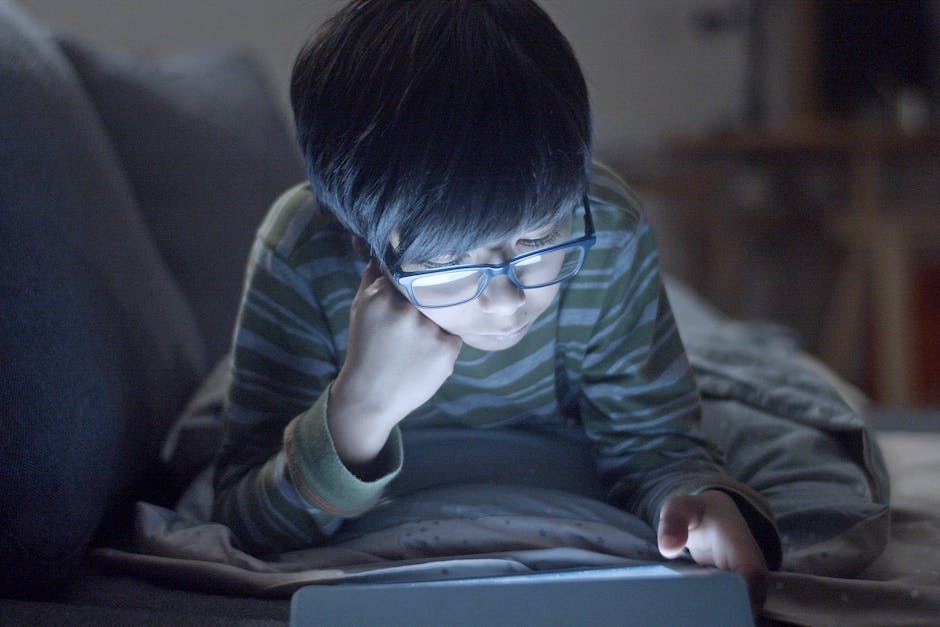
While allergies and dry eyes are common, a significant number of children rub their eyes because their visual system is simply working too hard. This is where we often see a gap in standard eye care. At The Focal Point Optometrist, we look closely at how a child’s eyes focus and work together as a team.
Many children have perfect distance vision but struggle immensely with near-work, such as reading or using a tablet. When a child spends hours on near-work, the ciliary muscles inside the eye must stay constantly contracted to maintain a clear focus. Over time, this leads to focusing fatigue. This is not just a matter of ‘tired eyes’; it is a physiological exhaustion of the muscles responsible for accommodation.
The Impact of Excessive Near-Work
In today’s world, children are performing more near-work than any generation before them. Whether it is homework, reading for pleasure, or playing video games, the demand on the focusing system is immense. Excessive screen time is a known factor in the development of vision strain and myopia. When these muscles tire, the child’s vision may become slightly blurred or unstable. To compensate, the child rubs their eyes, trying to physically ‘reset’ their focus or clear the perceived blur. This mechanical pressure can momentarily change the shape of the eye or stimulate the tear film, providing a fleeting sense of relief that reinforces the rubbing habit.
Parents should be aware of current guidelines for managing screen time and near-work to help reduce this strain. We often recommend visual hygiene habits, such as the 20-20-20 rule: every 20 minutes, look at something 6 metres away for at least 20 seconds. This allows the ciliary muscles to relax. If these breaks are not enough, we might prescribe anti-fatigue lenses or Miyosmart lenses to help support the focusing system and manage the progression of being short-sighted. These lenses are designed to reduce the accommodative demand during prolonged near tasks.
Understanding Accommodative Dysfunction and Eye Teaming
Accommodative dysfunction is a specific condition where a child has difficulty efficiently or accurately changing the focus of their eyes. Imagine a camera lens that gets stuck when trying to zoom in. A child with this issue might find that their vision stays blurry for a few seconds when they look up from their book to the whiteboard at school. Functional vision problems like these require a detailed assessment of the binocular system.
Furthermore, binocular vision issues like convergence insufficiency—where the eyes struggle to turn inward together—can cause significant distress. When the eyes don’t align perfectly, the brain has to work overtime to fuse two slightly different images into one. This constant struggle to maintain focus and alignment is exhausting. Because the child cannot explain that their accommodation or eye teaming is failing, they resort to frequent eye rubbing to soothe the physical ache in their eye muscles. This is a binocular vision specialty of ours. Through detailed paediatric Eye Tests, we can identify these functional vision problems that standard screenings often miss, ensuring your child has the visual stamina required for school and play.
The Long-Term Risks of Chronic Eye Rubbing
It might seem like a harmless habit, but chronic, forceful eye rubbing can have serious consequences for a child’s developing eyes. The eye is a delicate organ, and the cornea—the clear window at the front—is particularly susceptible to physical pressure. Regular monitoring of the corneal surface is important for children who rub their eyes frequently to ensure no structural damage is occurring.
Structural Changes and Keratoconus
A significant long-term risk of frequent eye rubbing is a condition called keratoconus. This occurs when the structural integrity of the cornea is compromised. Constant rubbing can weaken the collagen fibres that hold the cornea in its smooth, dome-like shape. Over time, the cornea may develop an unusual curvature, thinning and bulging forward into a cone-like shape. This is often linked to the mechanical trauma of the knuckles pressing against the eye.
This change causes unusual astigmatism and vision distortion that cannot always be corrected with standard spectacles. If this condition develops, we offer comprehensive care including specialty contact lens fittings. These are generally divided into two categories to provide the best visual outcomes:
- Soft specialty lenses: These are custom-designed with specific geometries and increased thickness to provide comfort and clear vision for mild to moderate unusual corneal shapes.
- Hard specialty lenses: Such as Rigid Gas Permeable (RGP) lenses or scleral lenses, which provide a perfectly smooth optical surface to neutralise distortion and provide the highest quality of vision for more advanced cases.
Infections and Corneal Abrasions
Beyond structural changes, rubbing is a primary way that bacteria and viruses are introduced to the eye. Children are not always the best at hand hygiene, and a quick rub after playing in the dirt or sharing toys can easily lead to conjunctivitis. Maintaining good hygiene and avoiding eye contact is a key part of eye health. Pathogens can easily enter the eye through the mucous membranes when a child rubs.
Furthermore, if a child has a tiny piece of grit or dust in their eye, rubbing can act like sandpaper, scratching the surface of the cornea. These corneal abrasions are painful and require professional attention to prevent secondary infections. If your child experiences sudden pain, extreme light sensitivity, or discharge, you should seek an Eye Test immediately. We use advanced imaging to check for these micro-scratches and ensure the eye is healing correctly.
Beyond the Blur: A Vision for Your Child’s Future
At The Focal Point Optometrist in Wembley, we believe your child deserves more than a ten-minute quick check. We are a healthcare provider, not a retail shop, and we take the time necessary to understand your child’s unique visual needs. That is why our initial comprehensive Eye Tests take a full hour. This extra time allows us to dive deep into binocular vision, focusing flexibility, and the subtle signs of eye strain that often go unnoticed in shorter corporate tests or school screenings. A thorough Eye Test is the foundation of good vision care and academic success.
We take a holistic approach to your child’s visual health, looking at everything from their digital habits to the way their brain processes visual information. Whether your child needs anti-fatigue lenses, Miyosmart management for being short-sighted, or a tailored program for binocular vision issues, we are here to provide a personalised treatment plan. If you have noticed your child engaging in frequent eye rubbing, do not wait for it to become a permanent problem. We invite you to experience the difference that independent, expert care can make for your family. Our goal is to ensure every child in Wembley has the visual tools they need to thrive.
Book your child’s comprehensive 1-hour Eye Test at our Wembley practice
Please remember to bring your Medicare card to your appointment so we can process any available rebates for you on the day.
Frequently Asked Questions about Frequent Eye Rubbing
Can frequent eye rubbing cause permanent vision damage?
Yes, it can. Chronic, forceful rubbing is a known risk factor for keratoconus, a condition where the cornea thins and bulges, causing permanent corneal changes and vision distortion. It can also worsen astigmatism by physically altering the shape of the eye over time. Early intervention is key; regular monitoring of the eye surface allows us to catch structural changes early and implement strategies to stop the rubbing habit.
How can I tell if eye rubbing is caused by allergies or a vision problem?
Generally, allergy-related rubbing is accompanied by intense itching, redness, and clear, watery discharge. It often follows exposure to triggers like grass or pets. If the rubbing is caused by a vision problem like accommodative dysfunction or binocular vision issues, it usually happens more during or after near-work like reading or using a tablet. You might also notice your child squinting, tilting their head, or holding books very close. A family optometrist can provide a definitive diagnosis through a functional vision assessment.